
Devotional commentary · August 23
Prayer—Battle in “The Secret Place”
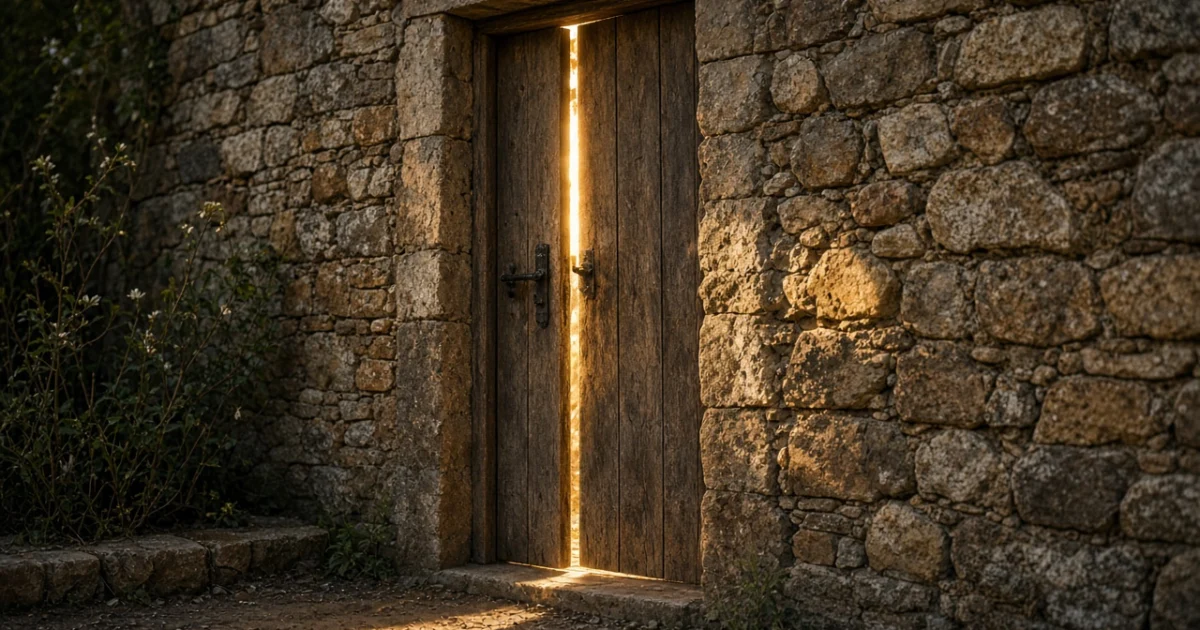
But when you pray, go into your private room, shut your door, and pray to your Father who is in secret. And your Father who sees in secret will reward you.
Matthew 6:6 CSB
Start hereThe Big Idea
Chambers says private prayer is a real battle, and the first enemy is our own wandering mind. Jesus told us to go in and shut the door, and Chambers takes that seriously: prayer is a deliberate act of the will. When we meet God in secret and let Him into every part of the day, our public life begins to carry His imprint.
Follow the readingEight Points
Tap a point to open it. Quotes are Chambers’ own words; ¶ marks his paragraph.
Chambers points out that Jesus did not tell us to dream about the Father in the secret place, but to pray to Him there.
There is a kind of spiritual drifting that feels like prayer but is really just pleasant thinking. Chambers draws a firm line. Jesus asked for prayer, not reverie. The difference is focus: actually speaking to the Father rather than letting our thoughts float in His general direction.
“Prayer is an effort of the will.”
This short sentence corrects a common idea. We tend to wait until we feel like praying. Chambers says prayer is something we choose to do, often against our feelings. Like any discipline, it begins with deciding to show up and stay, even when nothing in us is eager.
“The great battle in private prayer is overcoming this problem of our idle and wandering thinking.”
Chambers says that once the door is shut, the hardest thing to do is pray. Our minds will not settle. Within minutes we are thinking about errands, conversations, or worries. Chambers does not treat this as failure. He treats it as the battlefield.
Chambers says we must learn to discipline our minds and concentrate on deliberate prayer. Even in a chosen place of prayer, the plague of to-do lists begins, which is why Jesus tells us to shut the door.
The door Jesus mentions is more than a physical one. It is a decision to set aside the clamor for a while. Shutting the door does not mean pretending they do not exist; it means refusing to let them run the conversation.
Chambers explains that secret stillness before God means deliberately shutting out our emotions and remembering Him. God sees us from the secret place, not as other people see us or as we see ourselves.
Other people see our surface. We often see ourselves through either pride or shame. God sees us as we really are. That can sound frightening, but Chambers presents it as a relief. In the secret place we do not have to manage anyone’s impression of us.
“When we truly live in “the secret place,” it becomes impossible for us to doubt God.”
Chambers adds that we become more sure of God than of anything else. Doubt often grows when our faith is mostly public. When we spend real time with Him alone, our confidence rests on knowing Him, not on arguments or other people’s opinions. Meeting Him in secret also shows us He was in our ordinary circumstances all along.
“Get into the habit of dealing with God about everything.”
This is practical advice. We tend to bring God the big crises and handle the rest ourselves. Chambers urges a habit of taking everything to Him: decisions, irritations, plans, and small worries.
Chambers warns that unless we open our lives to God from the first waking moment, we will work on the wrong level all day. But if we swing the door fully open, every public part of our lives will carry the lasting imprint of His presence.
How we begin shapes how we continue. Chambers is not prescribing a rigid ritual, but he is clear about priority. Letting God in first sets the level for everything else. What happens in secret does not stay secret; it shows up in how we speak, work, and respond.
Two ways to live itThe Simple Takeaway
Picture two people who each set aside fifteen minutes every morning to pray.
An everyday example: Picture a nurse who keeps a small notebook by her bed. When a task pops into her head during morning prayer, she jots it down, sets the pen aside, and returns to speaking with God about the patients she will see that day.
ReflectOne Question to Sit With
What thoughts most often pull you away when you pray, and how could you bring them to God instead?
Excerpts from My Utmost for His Highest by Oswald Chambers, Updated Edition, © 1992 by Oswald Chambers Publications Association, Ltd., are quoted for commentary; read the full devotional at utmost.org. This is independent analysis and commentary, not affiliated with or endorsed by Our Daily Bread Ministries. Key verse: CSB.