
Devotional commentary · September 16
Praying to God in Secret
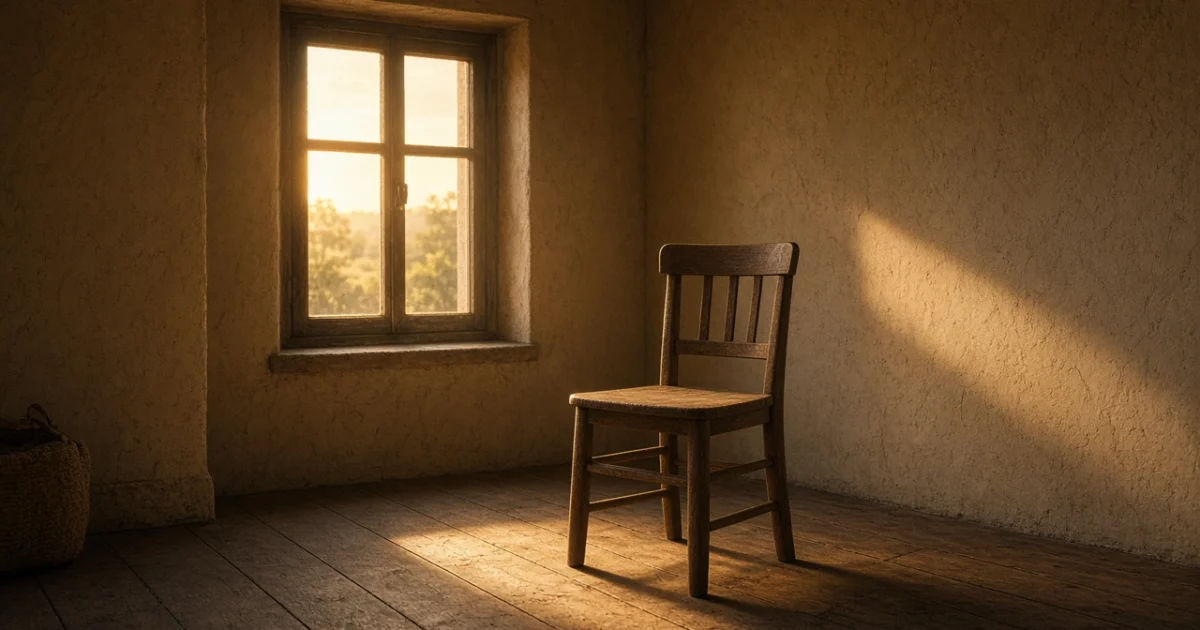
But when you pray, go into your private room, shut your door, and pray to your Father who is in secret. And your Father who sees in secret will reward you.
Matthew 6:6 CSB
Start hereThe Big Idea
Jesus told His followers to pray in a private room with the door shut. Chambers says the heart of prayer is keeping our eyes on God rather than on people. Real prayer is not a performance or a way to impress God with intensity. It is fellowship with the Father, grounded in redemption, and it involves our will.
Follow the readingEight Points
Tap a point to open it. Quotes are Chambers’ own words; ¶ marks his paragraph.
“The primary thought in the area of religion is— keep your eyes on God, not on people.”
It is easy to let an audience shape our spiritual life, even an imagined one. Chambers says the first rule is simple: look to God. Whether anyone sees or approves is beside the point.
Chambers says our motivation should not be a reputation for prayer. We should find an inner room where no one knows we are praying, shut the door, and talk to God with no motive except knowing our Father.
A private place to pray can be a closet, a car, or a quiet corner. What matters is that it is just for God. Hidden prayer guards our hearts against praying for applause.
“It is impossible to carry on your life as a disciple without definite times of secret prayer.”
Chambers does not say prayer is helpful; he says it is essential. Vague intentions to pray more rarely last. Definite, planned times give the relationship space to grow.
Commenting on Jesus’ warning against vain repetitions, Chambers says God does not hear us because we pray earnestly but solely on the basis of redemption. Our earnestness never impresses Him.
This is good news for anyone who feels their prayers are too weak. God listens because Jesus has opened the way, not because we have worked up enough feeling. Our access rests on redemption. That frees us to come honestly, even on days when we feel dry, distracted, or tired.
Prayer, Chambers adds, is more than getting things from God, which is only its most elementary form. Prayer is coming into perfect fellowship and oneness with Him.
Asking is part of prayer, but it is not the whole of it. At its center prayer is friendship with God. Requests take their proper place inside that relationship.
If the Son of God has been formed in us, Chambers says, He will press beyond our common sense and change our attitude about the things we are praying for.
We often begin praying to change our circumstances and discover God is changing us. Our desires get reshaped. What once seemed urgent may fade, and new concerns rise that reflect His heart. Prayer becomes a place where God quietly aligns our wants with His purposes.
“Asking means that our will must be involved.”
Chambers notes that we can pray religious words without involving our will and then say God did not answer, when in fact we never truly asked. Real asking means wanting something enough to bring our whole self to God about it.
Jesus spoke about prayer with wonderful childlike simplicity, Chambers says, yet we answer with criticism. We are to ask things of God that fit the God Jesus Christ revealed.
Childlike asking is not careless asking. It flows from knowing who our Father is. When our requests match His character as Jesus showed it, we can ask boldly and simply.
Two ways to live itThe Simple Takeaway
Picture two church members who both pray regularly.
An everyday example: Picture a busy father who keeps meaning to pray but never quite gets to it. He finally decides to spend ten minutes in his parked car before walking into work each day. At first he feels awkward. Over a few weeks those minutes become the steadiest part of his day, and he notices he is more patient at home.
ReflectOne Question to Sit With
Where and when could you set aside a definite time to pray in secret this week?
Excerpts from My Utmost for His Highest by Oswald Chambers, Updated Edition, © 1992 by Oswald Chambers Publications Association, Ltd., are quoted for commentary; read the full devotional at utmost.org. This is independent analysis and commentary, not affiliated with or endorsed by Our Daily Bread Ministries. Key verse: CSB.