
Devotional commentary · June 25
Receiving Yourself in the Fires of Sorrow
“Now my soul is troubled. What should I say—Father, save me from this hour? But that is why I came to this hour. Father, glorify your name.” Then a voice came from heaven: “I have glorified it, and I will glorify it again.”
John 12:27-28 CSB
Start hereThe Big Idea
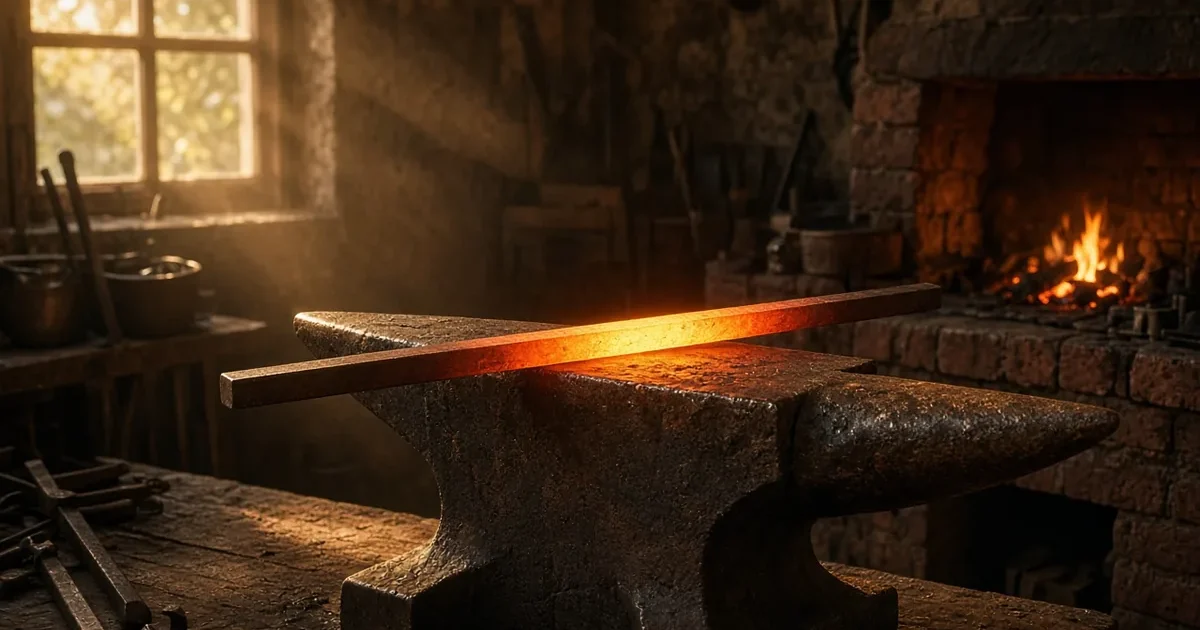
Chambers teaches that a saint should not pray for sorrow to be prevented but for God to keep us true to who He made us to be in the middle of it. Jesus was saved not from His hour but out of it. Sorrow is a fact of life, and suffering either gives us to ourselves or destroys us. Those who receive themselves in its fires become nourishment for other people.
Follow the readingEight Points
Tap a point to open it. Quotes are Chambers’ own words; ¶ marks his paragraph.
A saint, Chambers says, asks not that sorrow be prevented but that God keep him true to who he was made to be.
Our first prayer in trouble is usually “Lord, make it stop.” Chambers does not forbid that, but he points to a deeper prayer: that God would protect us so we remain what He created us to be, in spite of all our fires of sorrow. The goal is not a pain-free life but an unspoiled character.
“He was saved not from the hour, but out of the hour.”
In John 12 Jesus felt the weight of the Cross ahead. He considered asking to be saved from that hour, then said this was why He had come. Chambers says our Lord received Himself, accepting His position and purpose, right in the middle of sorrow. God’s deliverance often comes through the fire rather than by avoiding it.
Sorrow is real, he insists, and we must receive ourselves in its fires.
It is natural to protest that life should not hurt this much. Chambers simply answers that it does. Pretending otherwise does not help. Accepting that sorrow is part of life is where real growth begins.
“Sin, sorrow, and suffering are, and it is not for us to say that God has made a mistake in allowing them.”
Chambers is not saying sin and suffering are good. He is saying they exist, and we are not in a position to accuse God of error for permitting them. Trust means bringing our grief to God without putting Him on trial.
Sorrow strips away shallowness, he notes, but does not automatically make us better.
Hard seasons strip away a lot of surface living. But Chambers is honest: suffering does not automatically make anyone better. It can harden as easily as it softens. What matters is how we receive it.
“Suffering either gives me to myself or it destroys me.”
There is no neutral outcome. Chambers says suffering either gives us to ourselves, the true self God intended, or it destroys us. Success will not do it, because it feeds pride. Monotony will not do it, because it breeds complaining. The fire is where many of us finally find who we are before God.
Those who have received themselves through sorrow, he observes, always have time for us in trouble.
Most of us know someone like this: a person who has walked through deep loss and come out gentle and available. Chambers says you can go to such a person in your moment of trouble and find they have plenty of time for you. By contrast, someone untouched by sorrow can be dismissive and quick to turn you away.
“If you will receive yourself in the fires of sorrow, God will make you nourishment for other people.”
This is the hope at the end of the reading. Sorrow received in God’s presence does not go to waste. He uses what we have been through to feed and strengthen others. The comfort we receive becomes comfort we can give.
Two ways to live itThe Simple Takeaway
Two believers go through the same painful loss.
An everyday example: Picture a woman who lost her job after twenty years and spent months grieving and praying. A year later, a younger friend calls in a panic after being laid off. Because she has been through that fire and received herself in it, she has patience, understanding, and time. In Chambers’ words, God has made her nourishment for someone else.
ReflectOne Question to Sit With
What sorrow are you facing right now, and are you asking God only to remove it, or also to keep you true to Him in the middle of it?
Excerpts from My Utmost for His Highest by Oswald Chambers, Updated Edition, © 1992 by Oswald Chambers Publications Association, Ltd., are quoted for commentary; read the full devotional at utmost.org. This is independent analysis and commentary, not affiliated with or endorsed by Our Daily Bread Ministries. Key verse: CSB.